ERP Traceability, AI and Stock Visibility: myERP July 2026 Newsletter
myERP helps Irish manufacturers and distributors get real ERP traceability and stock visibility, and this month we look at traceability for medical device manufacturers, how AI is starting to show up inside Priority, and what Herbst brings to distribution and logistics businesses.
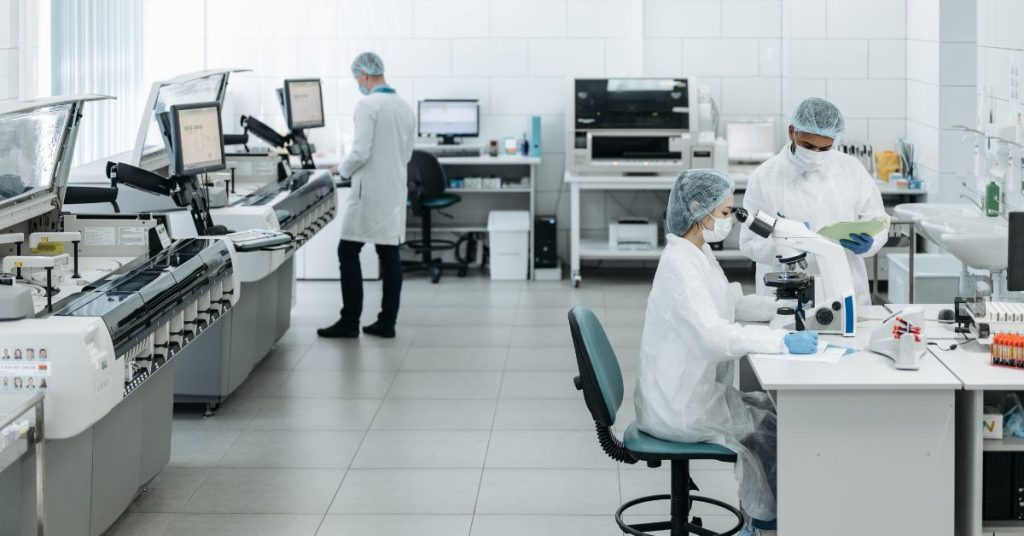
How Does ERP Traceability Work for Medical Device Manufacturers?
A product recall gives you minutes to prove where every component came from, days if your systems are working against you.
Medical device manufacturers answer to the HPRA and the EU’s MDR regulations, which expect a complete device history record for every unit, covering every component, process step, and UDI code before a product reaches a customer. When that history lives across paper records, spreadsheets, and someone’s memory of a particular shift, pulling it together under pressure is where mistakes creep in.
An ERP system with traceability built in captures that history automatically as the product moves through the business, recording every component, supplier, and process step at the point it happens rather than reconstructing it afterwards. A recall or an audit becomes a search rather than a scramble.
Your next step: time how long it currently takes your team to trace one device back to its components and the process that built it. If the answer runs in hours rather than minutes, that gap is worth closing before a regulator closes it for you.
Talk to us about traceability in your operation.
How Is AI Starting to Show Up Inside ERP Systems?
Gartner expects 40% of enterprise software to include task specific AI agents by the end of 2026, up from under 5% a year earlier.
Inside Priority, that translates into three concrete gains. Fewer stockouts, because an unusual stock movement gets flagged before it turns into a shortage. Fewer hours lost to admin, because a purchase order drafts itself from a reorder pattern instead of someone building it by hand. Faster reporting, because a production run summarises itself instead of costing someone an afternoon.
The businesses seeing these gains have one thing in common: clean, connected data. An AI feature can only work with what the system holds, so three disconnected spreadsheets leave it with very little to draw on, and the value drops with it.
Ask your current system, or the one you’re considering, one direct question: what does it do with the data you already have, rather than what it promises for the future.
See how Priority is building this in.
What Should Distribution and Logistics Businesses Look for in an ERP System?
A warehouse team and a sales team should always be looking at the same number.
Every ERP platform is built for a different kind of pressure, and matching the platform to the operation counts for more than the brand on the login screen. myERP supports two established systems, Priority and Herbst, chosen for how a business runs day to day rather than a one size fits all pick. For distribution and logistics operations managing multiple warehouses, high order volumes, and tight delivery windows, Herbst is built around exactly that kind of operational pressure.
Stock movements, goods in, goods out, and transfers between sites update in real time, so a warehouse team and a sales team are always looking at the same numbers rather than reconciling two different versions at the end of the day.
See what Herbst covers.
Map how long it takes a stock figure to travel from your warehouse floor to the number your sales team quotes a customer. Any delay in that chain is worth a conversation.
Ready to see Herbst in action? Schedule a demo with our Limerick team.
Jolene leads myERP’s content strategy, translating complex ERP topics into practical insights for Irish manufacturing, aviation, and regulated organisations. She works closely with the ERP delivery team, including Sonya Browne, to ensure every article reflects real-world system use and operational value.
Does a medical device manufacturer need a special ERP module for traceability?
Lot and serial genealogy, along with full device history records, build into the core system on modern ERP platforms, so traceability comes as standard rather than a paid extra bolted on afterwards.
Will AI replace staff who manage stock and purchasing?
The clearest evidence shows AI automating repetitive tasks like purchase order creation and inventory tracking, while the roles shift toward reviewing exceptions and using AI insights rather than disappearing outright.
Can ERP software connect directly to warehouse equipment like scanners and weighbridges?
Yes, barcode scanners and similar equipment integrate directly with modern ERP systems, feeding stock and production data straight into the system as it happens rather than being typed in afterwards.